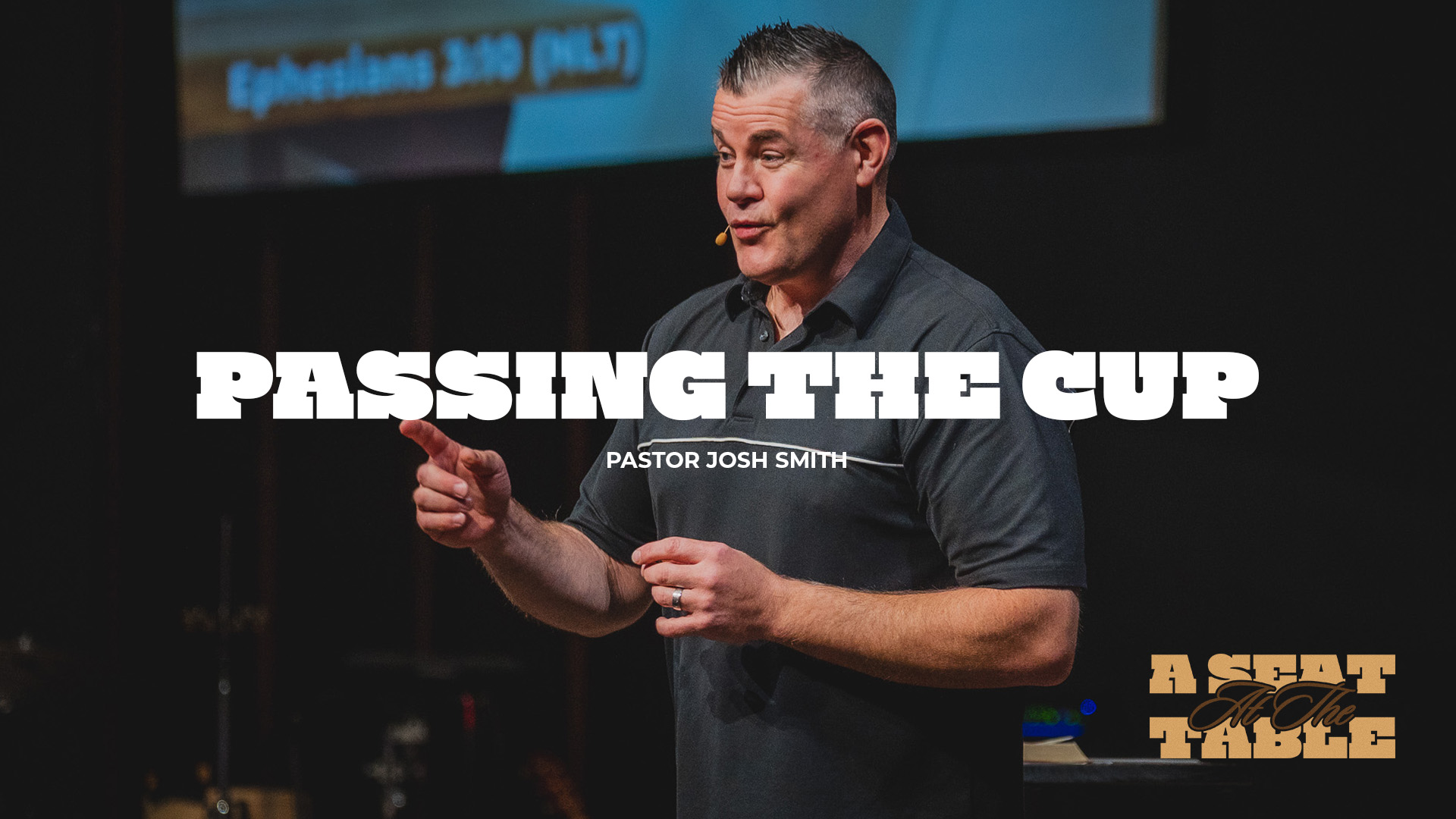
Have you ever felt isolated, broken, or defined by your failures? What if God’s invitation to you isn’t based on what you can offer, but on His relentless kindness? Discover how one forgotten man’s story reveals the freedom and belonging waiting for you at the King’s table.
Have you ever felt isolated, broken, or defined by your failures? What if God’s invitation to you isn’t based on what you can offer, but on His relentless kindness? Discover how one forgotten man’s story reveals the freedom and belonging waiting for you at the King’s table.
One day David asked, “Is anyone in Saul’s family still alive—anyone to whom I can show kindness for Jonathan’s sake?” He summoned a man named Ziba, who had been one of Saul’s servants. “Are you Ziba?” the king asked. “Yes sir, I am,” Ziba replied. The king then asked him, “Is anyone still alive from Saul’s family? If so, I want to show God’s kindness to them.” Ziba replied, “Yes, one of Jonathan’s sons is still alive. He is crippled in both feet.” “Where is he?” the king asked. “In Lo-debar,” Ziba told him, “at the home of Makir son of Ammiel.”
David didn’t have to remember his promise to Jonathan. Years had passed, his kingdom was established, and Saul’s family posed a potential threat to his throne. Yet in a quiet moment, David asked, “Is anyone still alive?” This wasn’t political calculation—it was covenant love. Mephibosheth had been living in Lo-debar, which means “no pasture” or “no word”—a barren, forgotten place. For twenty to thirty years, he lived in obscurity, hidden away, identified only by his disability rather than his name. He had no hope of restoration, no expectation of being remembered. But covenant love doesn’t forget. God remembers you today, not because of what you can offer, but because of His faithful promise. Even when you feel forgotten in your own “Lo-debar”—isolated, broken, overlooked—He is asking, “Where are they? I want to show them kindness.” You are not forgotten. You are remembered by name.
So David sent for him and brought him from Makir’s home. His name was Mephibosheth; he was Jonathan’s son and Saul’s grandson. When he came to David, he bowed low to the ground in deep respect. David said, “Greetings, Mephibosheth.” Mephibosheth replied, “I am your servant.” “Don’t be afraid!” David said. “I intend to show kindness to you because of my promise to your father, Jonathan. I will give you all the property that once belonged to your grandfather Saul, and you will eat here with me at the king’s table!”
Notice what David does first—he calls Mephibosheth by name. Not “the crippled one,” not “Saul’s grandson,” but “Mephibosheth.” Ironically, the name Mephibosheth means “shame” or “disgrace,” yet David speaks it as a greeting of honor. When David uses his name, he’s undoing the very meaning of it—replacing shame with dignity. Mephibosheth had been identified by his disability his entire life. Ziba introduced him as “crippled in both feet” rather than by name. But David sees past the brokenness to the person. This is how God sees you. He doesn’t define you by your failures, your disabilities, your past mistakes, or the labels others have placed on you. He calls you by name. Before He addresses your needs, He affirms your worth. What are you being called instead of your name? Failure? Divorcee? Addict? Too much? Not enough? Today, hear the King calling you by your true name—beloved, chosen, honored.
Mephibosheth bowed respectfully and exclaimed, “Who is your servant, that you should show such kindness to a dead dog like me?” Then the king summoned Saul’s servant Ziba and said, “I have given your master’s grandson everything that belonged to Saul and his family. You and your sons and servants are to farm the land for him to produce food for your master’s household. But Mephibosheth, your master’s grandson, will eat here at my table.” (Ziba had fifteen sons and twenty servants.) Ziba replied, “Yes, my lord the king; I am your servant, and I will do all that you have commanded.” And from that time on, Mephibosheth ate regularly at David’s table, like one of the king’s own sons.
Mephibosheth’s response reveals the depth of his shame: “Who am I, that you would show such kindness to a dead dog like me?” He saw himself as worthless, with nothing to offer. Yet David’s restoration was complete—land, provision, servants, and most importantly, a permanent seat at the king’s table. Notice that Mephibosheth’s disability didn’t disappear. He was still crippled, still broken physically. But his status, his belonging, his identity—everything changed in a moment. David didn’t wait for him to get better, to prove himself worthy, or to earn his place. The invitation came first, in the midst of his brokenness. This is the nature of God’s grace. He doesn’t restore you after you fix yourself—He restores you in your brokenness and invites you to belong. Your seat at His table isn’t based on your performance but on His covenant love. And just like Mephibosheth, you will eat at the King’s table like one of His own children—forever.
Jesus said to the people who believed in him, “You are truly my disciples if you remain faithful to my teachings. And you will know the truth, and the truth will set you free.” “But we are descendants of Abraham,” they said. “We have never been slaves to anyone. What do you mean, ‘You will be set free’?” Jesus replied, “I tell you the truth, everyone who sins is a slave of sin. A slave is not a permanent member of the family, but a son is part of the family forever. So if the Son sets you free, you are truly free.”
Jesus makes a crucial distinction here: being a disciple isn’t just about believing—it’s about remaining. Many profess faith, but true freedom comes from abiding in Christ and His Word. When Jesus says, “You will know the truth,” He’s not talking about intellectual knowledge. He’s talking about knowing Him personally, intimately. Knowing truth is knowing the person of Jesus. And when Jesus is known deeply, sin’s grip is broken in our lives. Notice that Jesus says everyone who sins is a slave—meaning anyone who makes sin their habitual way of life becomes controlled by it. But a son or daughter has permanent belonging in the family. Mephibosheth was given a permanent seat at the king’s table, not as a temporary guest but as family. You’ve been legally pardoned—sin’s dominion has been broken. But God doesn’t stop there. He says, “Come sit at My table. You belong here.” This freedom requires response and responsibility. How are you stewarding the freedom you’ve been given? Are you remaining faithful to His teachings, or are you living like a beggar outside the gates instead of a child at the table?
Ziba replied, “Yes, my lord the king; I am your servant, and I will do all that you have commanded.” And from that time on, Mephibosheth ate regularly at David’s table, like one of the king’s own sons. Mephibosheth had a young son named Mica. From then on, all the members of Ziba’s household were Mephibosheth’s servants. And Mephibosheth, who was crippled in both feet, lived in Jerusalem and ate regularly at the king’s table.
The story ends with a beautiful picture: Mephibosheth, still crippled, eating regularly at the king’s table like one of his own sons. His disability didn’t disappear, but everything else changed. And notice Ziba’s response: “I will do all that you have commanded.” When we’ve been rescued from Lo-debar and given a seat at the King’s table, our only appropriate response is, “Yes, my Lord, I will do whatever You ask.” Not out of obligation, but out of overflow. Not because we have to, but because we get to. The King is coming back soon, and this matters eternally. Making room at the table isn’t about growing a large church—it’s about people’s lives hanging in the balance. Who around you is living in their own Lo-debar right now? Who is isolated, broken, identified by their disability or shame? You have the power to extend the same invitation you received: “Come, have a seat at the table.” To whom much has been given, much is required. You’ve been rescued, restored, and freed to belong—now it’s time to make room for others.
A weekly guide to carry the conversation beyond Sunday morning.
Welcome your group and open in prayer. Ask God to help everyone be honest about where they’re at and open to what He wants to speak to them tonight.
Question: What’s one meal or dinner experience that stands out in your memory as particularly meaningful? What made it special?
Leader Note: This helps ease into the theme of sharing meals and tables being significant moments of connection and belonging.
Briefly summarize the main points:
What does “Lo-debar” represent in this message, and can you identify any “Lo-debar” places or seasons in your own life?
Context from the sermon: Lo-debar literally means “no pasture” or “no word”—a barren, unproductive, remote place. Mephibosheth lived there for 20-30 years in obscurity. He had lost his household, his status, his identity, his land, his wealth, and his social standing. He was powerless, dependent, dishonored, no longer protected, living in another man’s home because he couldn’t provide for himself. The sermon emphasized that Lo-debar represents those seasons of isolation, devastation, where we feel forgotten, identified only by our brokenness rather than our name.
Leader Tips:
The sermon pointed out that Ziba identified Mephibosheth by his disability (“he is crippled in both feet”) rather than by name, but David immediately greeted him by name. What labels or identities (either self-imposed or given by others) have defined you instead of your true name and identity in Christ?
Context from the sermon: When David summoned Mephibosheth, the first thing he did was call him by name—not “the crippled one,” not “the threat to my throne,” but “Mephibosheth.” The sermon emphasized that David calls out the person before addressing the need. God doesn’t define us by our failures, disabilities, past mistakes, or the labels others have placed on us. The preacher shared examples of false labels: “I am a divorcee,” “I’m a cancer patient,” “I’m an addict,” “I’m a failure,” “I’m not smart,” “I’m too much.” Mephibosheth’s name ironically meant “shame” or “disgrace,” but David spoke it as a greeting of honor, undoing the very meaning of his name.
Leader Tips:
Mephibosheth’s response was “Who is your servant, that you should show such kindness to a dead dog like me?” Yet Ziba’s response was “Yes, my lord the king; I am your servant, and I will do all that you have commanded.” Which response resonates more with how you typically respond to God’s kindness—disbelief or obedient service?
Context from the sermon: The sermon highlighted that Mephibosheth saw himself as worthless, with nothing to offer (“a dead dog”). But the sermon also emphasized Ziba’s response: “Yes, my lord the King, I am your servant, and I will do all that you have commanded.” The preacher said our response to being rescued from Lo-debar shouldn’t be out of obligation but out of joy and honor: “It is my joy to honor him. It is my joy to live a life not bound in sin…Whatever the King says, it is my joy, it is my honor. I will do whatever you ask of me should be our response.” The sermon challenged complacency in the church and called for believers to live as sons and daughters who joyfully serve, not beggars who can’t believe they’re invited.
Leader Tips:
In John 8:31-36, Jesus says “You are truly my disciples if you remain faithful to my teachings.” What’s the difference between believing in Jesus and remaining faithful to Him? What does “remaining” practically look like in your daily life?
Context from the sermon: The sermon emphasized that Jesus was speaking “to the people who believed in him” but then said true discipleship is marked by remaining faithful. The preacher said: “Many will profess that they’re my disciple or that they believe in me…But is the fruit of their lives, is there fruit of evidence that they are following after me, that they are remaining in me?” To remain means “to dwell, to endure, to stand, to tarry, to be held…Not a one time act, but continual, continual remaining.” The sermon listed practical examples: showing up to church when you don’t feel like it, being in community, worshiping when you don’t feel like it, being in a small group even when you’re introverted and don’t like people, because “we’re not meant to live in isolation and Lo-debar.”
Leader Tips:
The sermon ended with this challenge: “Who do you know right now in your life that is currently living in Lo-debar?” and “How can you, as a citizen of heaven, be the one that extends an invitation to them?” Who came to mind for you, and what’s one specific way you could reach out to them this week?
Context from the sermon: The preacher emphasized that making room at the table matters because “the King is coming, and the King is coming soon…This is not about you. This is not about I. This is about the fact that we have a King that is returning and this is eternal. This is about forever. This is about people’s lives on the line who are living in desolate, broken, dark places and we get to bring the hope and the good news of Jesus Christ to them.” The sermon gave examples of people already making room: those recovering from surgery caring for others in surgery, people leading small groups in their own grief, families with difficult pasts still serving, those showing up in special needs ministry despite being hit and spit on, those serving coffee despite medical struggles, foster parents at Stephen Dehanis. The call was to identify ONE person living in isolation and extend an invitation.
Leader Tips:
The pastor shared about being in Israel during the start of a war and experiencing Shabbat dinner with a rabbi’s family who knew the father was being called to the front lines. She also shared about women at her table who refused to engage with her because she didn’t know who they were. How does the contrast between these two experiences illustrate what it means to truly make room at the table vs. excluding people based on status?
Context from the sermon: The preacher described sitting at a Shabbat dinner in Israel as war was breaking out. She witnessed a rabbi honoring his wife with Proverbs 31, blessing each of his children, knowing he would be sent to the front lines the next morning. Meanwhile, at the same table, a group of “itinerant pastors” refused to engage with her because she didn’t know who they were—they were offended that she had no idea of their status and made it clear she was “of no value to us.” The preacher said: “I was sitting in the front lines of a war zone. It was not Hamas that was my enemy. It was not Iran that was my enemy…I battle against this is spirit, okay? This is not flesh and blood.” In that moment, God spoke Psalm 23:5-6 to her: “I have prepared a table for you in the presence of enemies…I anoint your head with oil. I make your cup overflow.”
Leader Tips:
Take a moment of silent reflection and write down your answer to this week’s Grow Card question:
“Who do you know right now in your life that is currently living in ‘Lo-debar’ (isolation, obscurity, hurt, pain, suffering)? How can you, as a citizen of heaven, extend an invitation to them to experience God’s table?”
Leader Tips:
Invite the Holy Spirit to minister:
“Based on tonight’s discussion, I want to give space for two things:
First: Is there anyone here who needs to receive God’s invitation to the table tonight? Maybe you’ve been living in your own Lo-debar—identified by your brokenness, feeling worthless like ‘a dead dog,’ believing you have nothing to offer. God is calling you by name tonight and saying, ‘Come, have a seat at my table.’ If that’s you, I want to pray for you.”
Second: Is there anyone who needs to be set free from habitual sin that has you enslaved? Jesus said if the Son sets you free, you are truly free. Maybe tonight is your night to experience that freedom. If that’s you, we want to pray for you too.”
Leader Tips:
Pray over your group, incorporating these themes:
A weekly practice you can do beyond Sunday morning.
Talk about a time you felt left out or unworthy. Ask: “How does knowing our seat is permanent change how we see ourselves?”
A weekly practice you can do beyond Sunday morning.
Challenge: Stop Begging
This week, identify one way you live like an outsider—and deliberately act like a son or daughter instead.
What This Looks Like Practically:
Concrete Action:
“This week, stop begging for what you’ve already been given.”