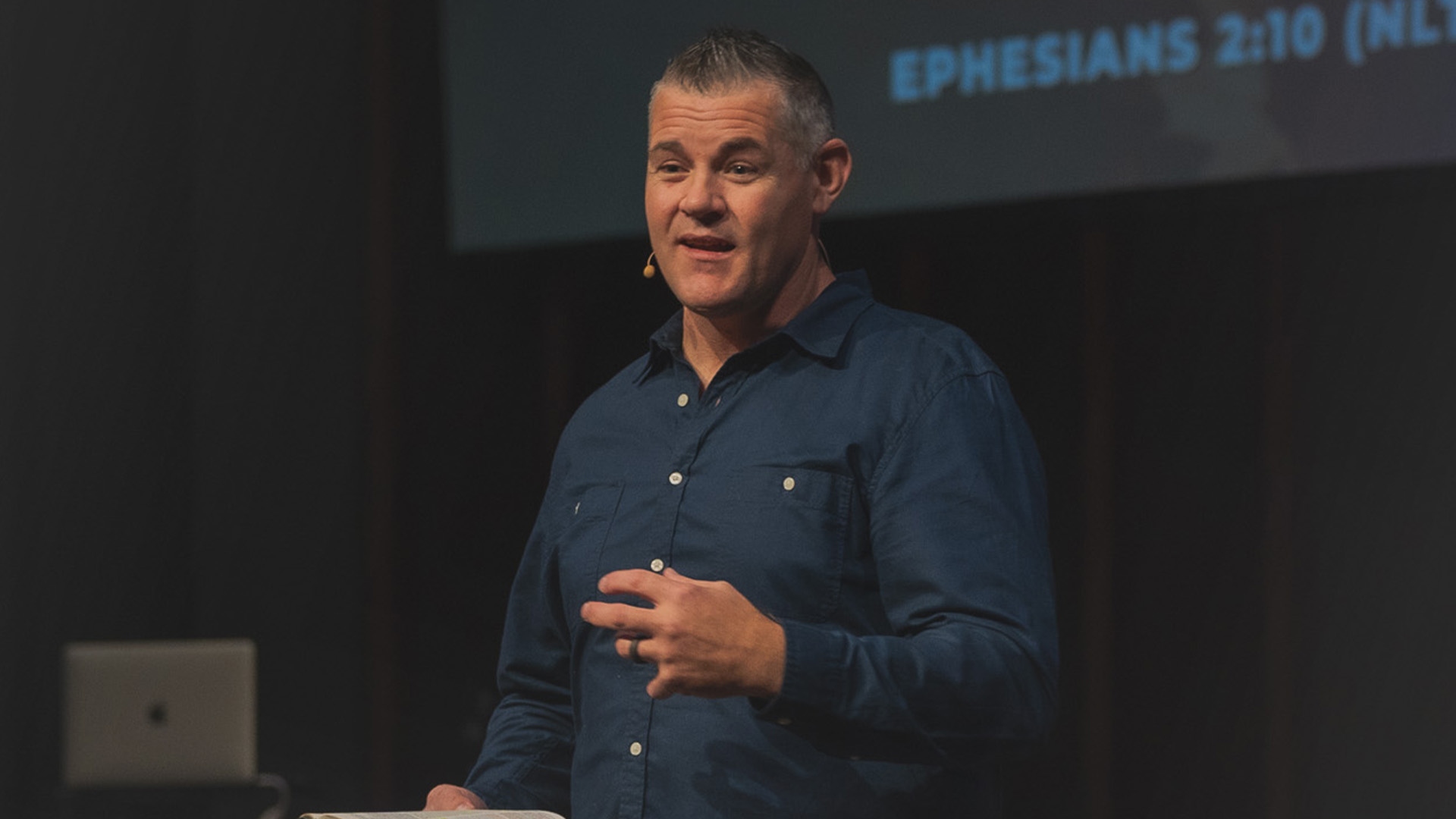
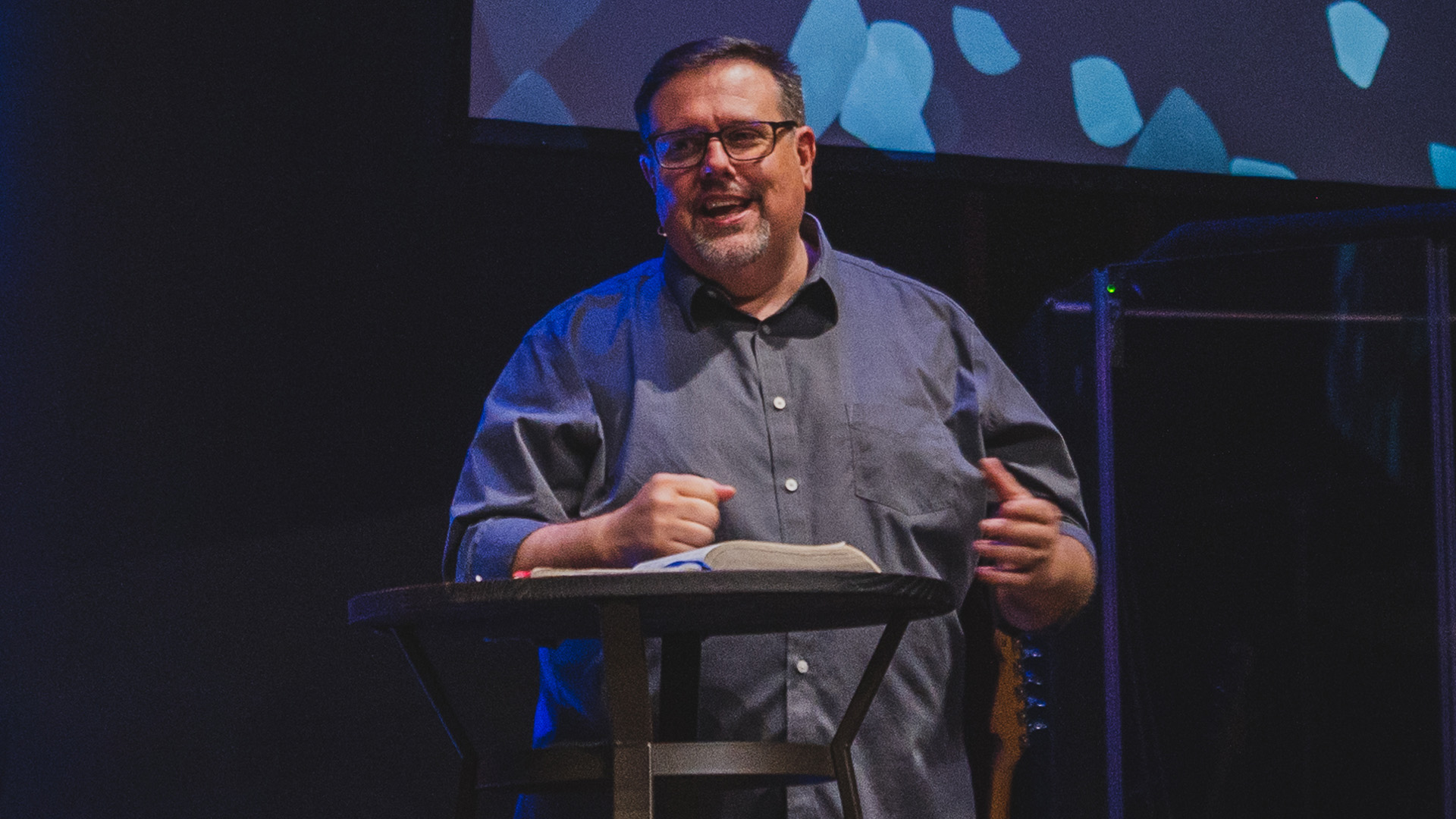
Have you ever wondered if your faith is more about where you sit than where you go? Jesus’ final words to His followers weren’t about having a great personal relationship with Him—they were a commission to go and make disciples. What does it look like to move from a stationary faith to one that pursues others with the same relentless love God has shown you?
Have you ever wondered if your faith is more about where you sit than where you go? Jesus’ final words to His followers weren’t about having a great personal relationship with Him—they were a commission to go and make disciples. What does it look like to move from a stationary faith to one that pursues others with the same relentless love God has shown you?
Then the eleven disciples left for Galilee, going to the mountain where Jesus had told them to go. When they saw him, they worshiped him—but some of them doubted! Jesus came and told his disciples, “I have been given all authority in heaven and on earth. Therefore, go and make disciples of all the nations, baptizing them in the name of the Father and the Son and the Holy Spirit. Teach these new disciples to obey all the commands I have given you. And be sure of this: I am with you always, even to the end of the age.”
Jesus’ final words to His followers weren’t a casual suggestion—they were a commission backed by all the authority of heaven and earth. Notice that even in this sacred moment, “some of them doubted.” This reminds us that Jesus doesn’t wait for us to have perfect faith before sending us out. He sends us despite our doubts, despite our inadequacies, despite our fear.
The command is clear: go and make disciples. Not just converts. Not just church attenders. Disciples who obey everything Jesus commanded—which includes making more disciples. This isn’t a calling reserved for pastors or missionaries; it’s the core assignment for every follower of Jesus.
What have you made your faith about? Is it primarily about your personal relationship with Jesus, your spiritual growth, your church attendance? While those things matter, Jesus is saying there’s more. Your faith is meant to have direction—feet, not just a seat. You are called to reproduce yourself spiritually in others who will do the same.
The promise attached to this commission is profound: “I am with you always, even to the end of the age.” You’re not going alone. The same Jesus who holds all authority goes with you into every conversation, every relationship, every uncomfortable moment of obedience.
This is why I remind you to fan into flames the spiritual gift God gave you when I laid my hands on you. For God has not given us a spirit of fear and timidity, but of power, love, and self-discipline. So never be ashamed to tell others about our Lord. And don’t be ashamed of me, either, even though I’m in prison for him. With the strength God gives you, be ready to suffer with me for the sake of the Good News. For God saved us and called us to live a holy life. He did this, not because we deserved it, but because that was his plan from before the beginning of time—to show us his grace through Christ Jesus.
Paul is writing to Timothy, a young leader who apparently struggled with fear and timidity. Sound familiar? Paul doesn’t say, “Timothy, wait until you feel more confident.” He doesn’t say, “Get your life together first, then share the gospel.” Instead, he says, “Fan into flames the gift God gave you” and “never be ashamed to tell others about our Lord.”
Here’s a truth that confronts our excuses: God didn’t call you because you deserved it or because you were qualified. He called you because of His grace and His plan. He doesn’t call the qualified; He qualifies the called.
Many of us are waiting for some future version of ourselves—more spiritually mature, less broken, more knowledgeable—before we step into the mission Jesus has given us. But that’s a trap. You will never be 100% ready. You will always be a work in progress, growing from glory to glory.
The spirit God gave you is not one of fear and timidity. It’s a spirit of power, love, and self-discipline. That means you have everything you need right now to be obedient to the call. Not because of who you are, but because of who He is in you.
Jesus traveled through all the towns and villages of that area, teaching in the synagogues and announcing the Good News about the Kingdom. And he healed every kind of disease and illness. When he saw the crowds, he had compassion on them because they were confused and helpless, like sheep without a shepherd. He said to his disciples, “The harvest is great, but the workers are few. So pray to the Lord who is in charge of the harvest; ask him to send more workers into his fields.”
Jesus didn’t just see crowds—He saw individuals who were confused, helpless, and desperately in need of a shepherd. His response was compassion, and that compassion moved Him to action. He went from town to town, teaching, healing, and pursuing people with relentless love.
One of the core values highlighted in this message was “unending pursuit.” This isn’t just about our pursuit of Christ; it’s about our pursuit of one another. How many times have we had the same conversation with someone? How many times have we watched someone return to the same destructive pattern? It’s exhausting. And yet, our Heavenly Father extends the same patient, unending pursuit toward us.
Are you not grateful that God hasn’t given up on you? Every day we give Him reason to walk away, and yet He remains. That same long-suffering love should characterize how we disciple others.
Jesus’ solution to the overwhelming need wasn’t to work harder alone—it was to pray for more workers. He immediately sent out the twelve disciples, showing that prayer and action go hand in hand. We pray for workers, and then we become the answer to that prayer.
Don’t be misled—you cannot mock the justice of God. You will always harvest what you plant. Those who live only to satisfy their own sinful nature will harvest decay and death from that sinful nature. But those who live to please the Spirit will harvest everlasting life from the Spirit. So let’s not get tired of doing what is good. At just the right time we will reap a harvest of blessing if we don’t giveup. Therefore, whenever we have the opportunity, we should do good to everyone—especially to those in the family of faith.
The principle is simple but profound: you will harvest what you plant. If you sow to please the Spirit—investing in others, making disciples, serving faithfully—you will reap everlasting life and a harvest of blessing. But here’s the catch: the harvest doesn’t come immediately.
The sermon referenced Psalm 126:5—”Those who sow with tears will harvest with shouts of joy.” Sowing in tears doesn’t mean grief; it means sacrifice, persistence, and long-term commitment. It means showing up week after week at South Lorain even when you’re exhausted. It means continuing to invest in that difficult relationship even when you see no change. It means choosing faithfulness over feelings.
Paul warns us: “Let’s not get tired of doing what is good.” Why would he need to warn us? Because we will get tired. We will be tempted to quit. We will wonder if our efforts matter. In those moments, we need to remember that God’s timing is perfect. “At just the right time we will reap a harvest of blessing if we don’t give up.”
The work of discipleship is often slow, messy, and requires patience. Like propagating hydrangea clippings (as mentioned in the sermon), roots take time to establish. But multi-generational beauty is coming. The question is: will you remain faithful long enough to see it?
And so, dear brothers and sisters, I plead with you to give your bodies to God because of all he has done for you. Let them be a living and holy sacrifice—the kind he will find acceptable. This is truly the way to worship him. Don’t copy the behavior and customs of this world, but let God transform you into a new person by changing the way you think. Then you will learn to know God’s will for you, which is good and pleasing and perfect. Because of the privilege and authority God has given me, I give each of you this warning: Don’t think you are better than you really are. Be honest in your evaluation of yourselves, measuring yourselves by the faith God has given us. Just as our bodies have many parts and each part has a special function, so it is with Christ’s body. We are many parts of one body, and we all belong to each other.
Paul uses powerful imagery here: we are to be living sacrifices. Not dead sacrifices that remain on the altar, but living ones—active, moving, participating in the work God has called us to. This is true worship.
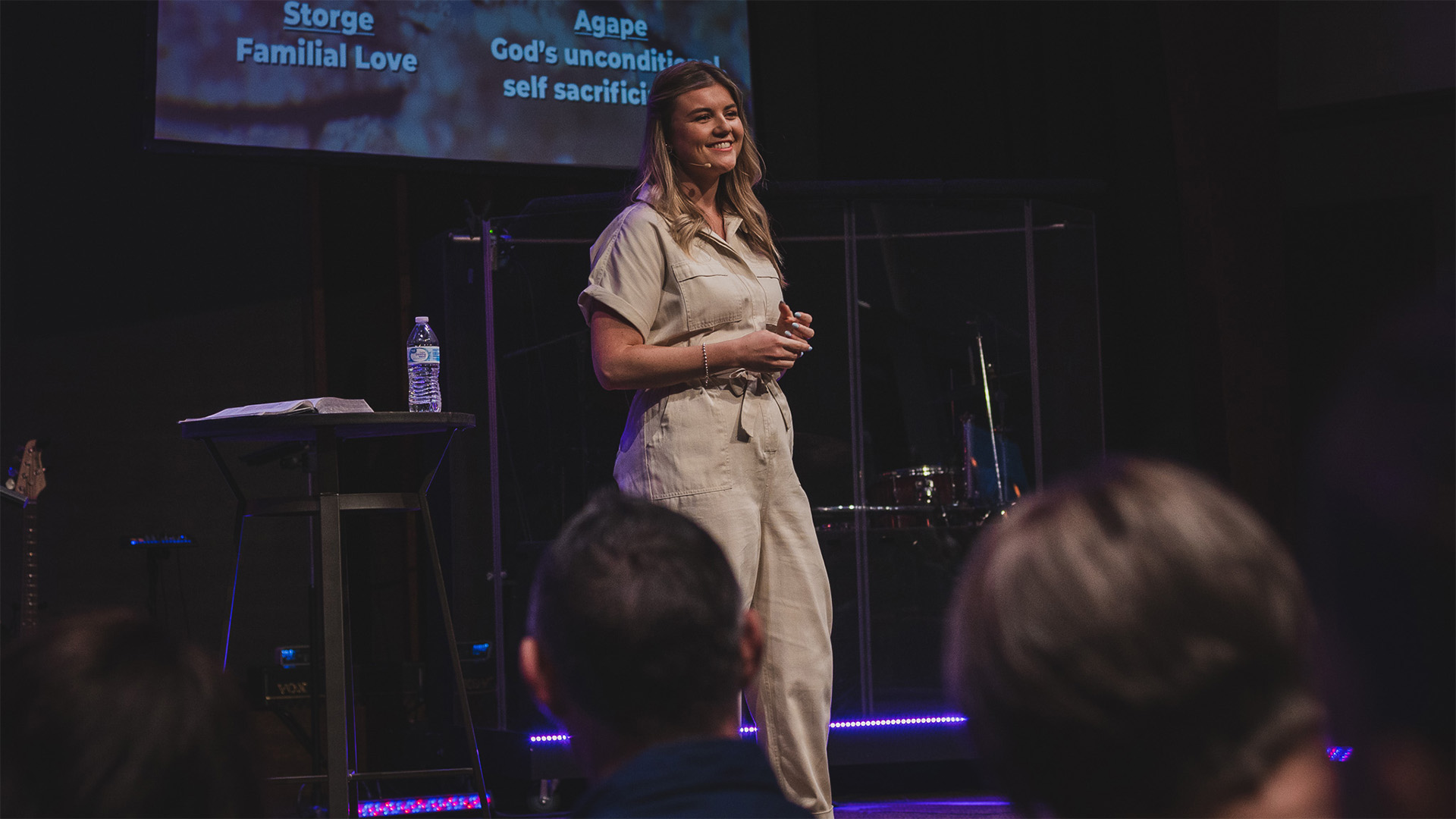
Tiffany Paris shared in the sermon about her journey from being a spectator—supporting from afar, giving extra tithe, showing up occasionally—to being an active participant. She said yes to God even when she didn’t know her role, even when she felt uncomfortable, even when she had no control or plan. That’s what it means to be a living sacrifice.
Notice what Paul says: “We are many parts of one body, and we all belong to each other.” The body of Christ isn’t meant to be a collection of individuals focused on their personal relationship with Jesus. We are interconnected, interdependent, and called to function together. Your participation matters. Your presence is needed. Your “yes” to God impacts the whole body.
The sermon asked the question: What have we made faith about? Have we made it about the size of our “booty” (how comfortable our seat is) or the direction of our feet (where we’re going for God)? Living sacrifice faith is about movement, about laying down our preferences and comfort, about saying yes even when it’s inconvenient or unclear.
Where is God sending you? The answer starts with offering yourself as a living sacrifice and being willing to move from spectator to participant.
A weekly guide to carry the conversation beyond Sunday morning.
Icebreaker Question: What’s one place you’ve been “sent” in your life (a job, a mission trip, a move, a volunteer role) that ended up being more meaningful than you expected?
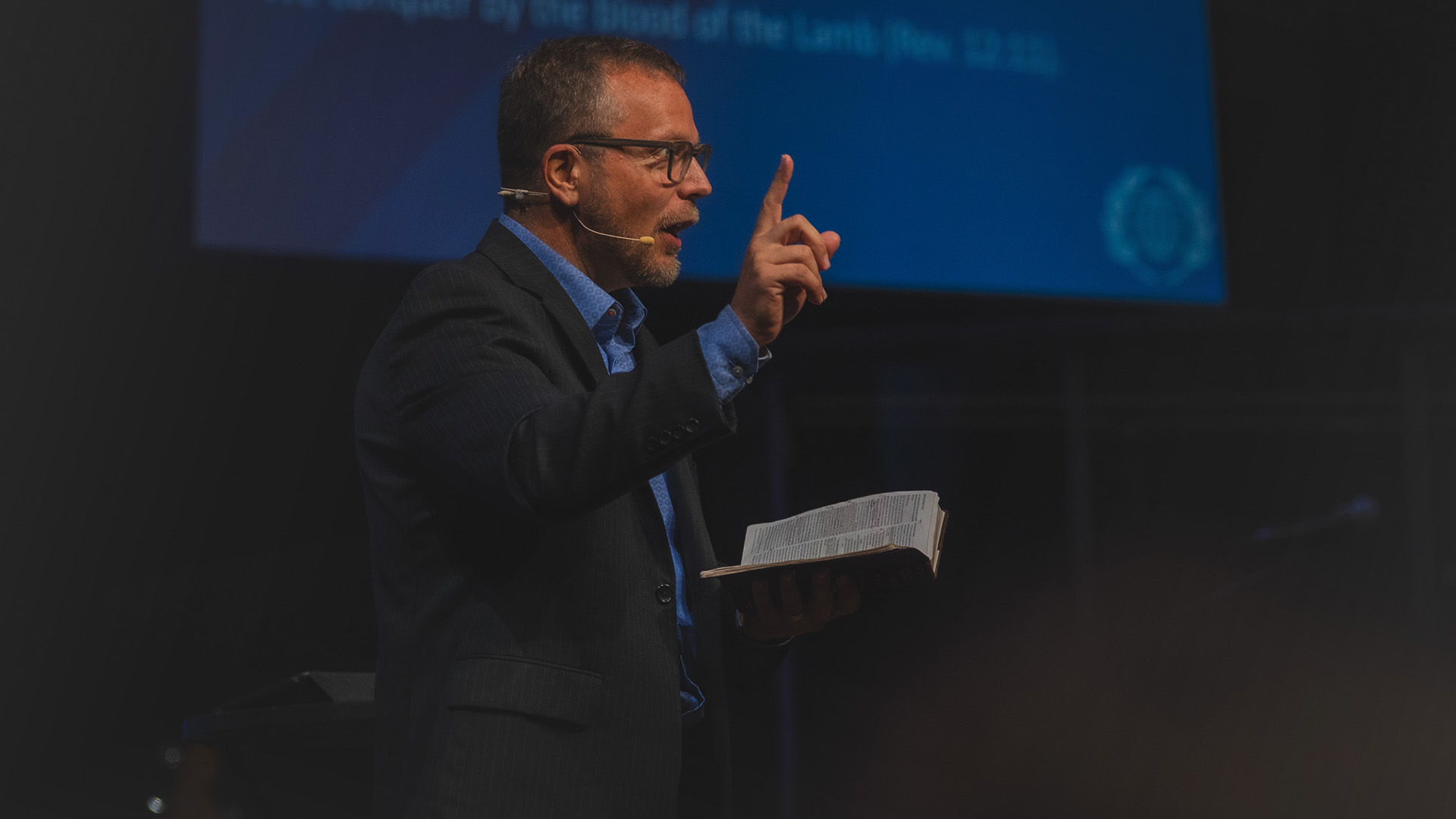
This week’s message challenged us to move from a “stationary faith” to one with direction and purpose. Pastor Josh used the imagery of “butt prints vs. footprints”—asking whether our faith is more about where we sit comfortably or where we’re willing to go. The Great Commission in Matthew 28:18-20 isn’t a suggestion; it’s Jesus’ final marching orders to all His followers: go and make disciples.
Context from the sermon: Pastor Josh read Matthew 28:18-20 and emphasized that Jesus commissioned His disciples to “go and make disciples”—not just have a personal relationship with Him, but to reproduce themselves spiritually in others. He asked the direct question: “Who are you intentionally leaning into so that individual or those individuals are becoming Jesus followers who go out and make other Jesus followers?”
Discussion Question: When you think about the Great Commission, do you naturally think of it as something for missionaries and pastors, or as a personal assignment for your own life? Why do you think that is?
Follow-up: Who is someone you are intentionally discipling right now? If no one comes to mind, why do you think that is?
Context from the sermon: Pastor Josh confronted the common excuse: “Some of y’all need to be confronted with the thought, ‘as soon as I get my life together, then I will go.’ None of us are ever 100% fit for his service. Ever.” He referenced the phrase, “He doesn’t call the qualified, he qualifies the called.”
Discussion Question: What areas of your life do you feel need to be “fixed” before you could serve or disciple others? How does the truth that God qualifies the called challenge that thinking?
Follow-up: Can you think of a biblical example of someone God used despite their brokenness or unpreparedness?
Context from the sermon: One of Grow Point’s core values is “unending pursuit.” Pastor Josh applied this not just to our relationship with Christ but to our pursuit of one another. He said, “Are you not thankful that God has not given up on you? Every day we give him reason to be like, ‘I’m done.’ I’m so thankful that that’s not the story of the long suffering and the patience that our Heavenly Father has with us.”
Discussion Question: Why do we sometimes give up on people when things get repetitive or difficult? How does remembering God’s patience with us change how we pursue others?
Follow-up: Is there someone in your life you’ve “given up on” that God might be calling you to re-engage with?
Context from the sermon: Todd referenced Psalm 126:5—”Those who sow with tears will harvest with shouts of joy.” He explained that sowing in tears doesn’t mean grief; it means sacrifice, purpose, and long-term commitment. He emphasized that Grow Point’s work in South Lorain is about planting and remaining, not just starting and fizzling out.
Discussion Question: What does it mean to “sow with tears” in discipleship or ministry? Have you ever experienced the joy of a harvest after a long season of faithful sowing?
Follow-up: Read Galatians 6:9 together. What encouragement does this verse offer when we’re tempted to grow weary in doing good?
Context from the sermon: Pastor Josh shared the language of “adoption” regarding South Lorain—that Grow Point has adopted Stephen DeHanis school and the South Lorain community, and adoption is “pretty much for life.” He also read 2 Timothy 1:5-7, highlighting the multi-generational faith passed from Lois to Eunice to Timothy, expressing hope for similar stories to emerge from South Lorain.
Discussion Question: What does it mean for a church to “adopt” a community? How is that different from just doing outreach or charity work?
Follow-up: Who in your life passed faith down to you? How can you be intentional about passing it to the next generation?
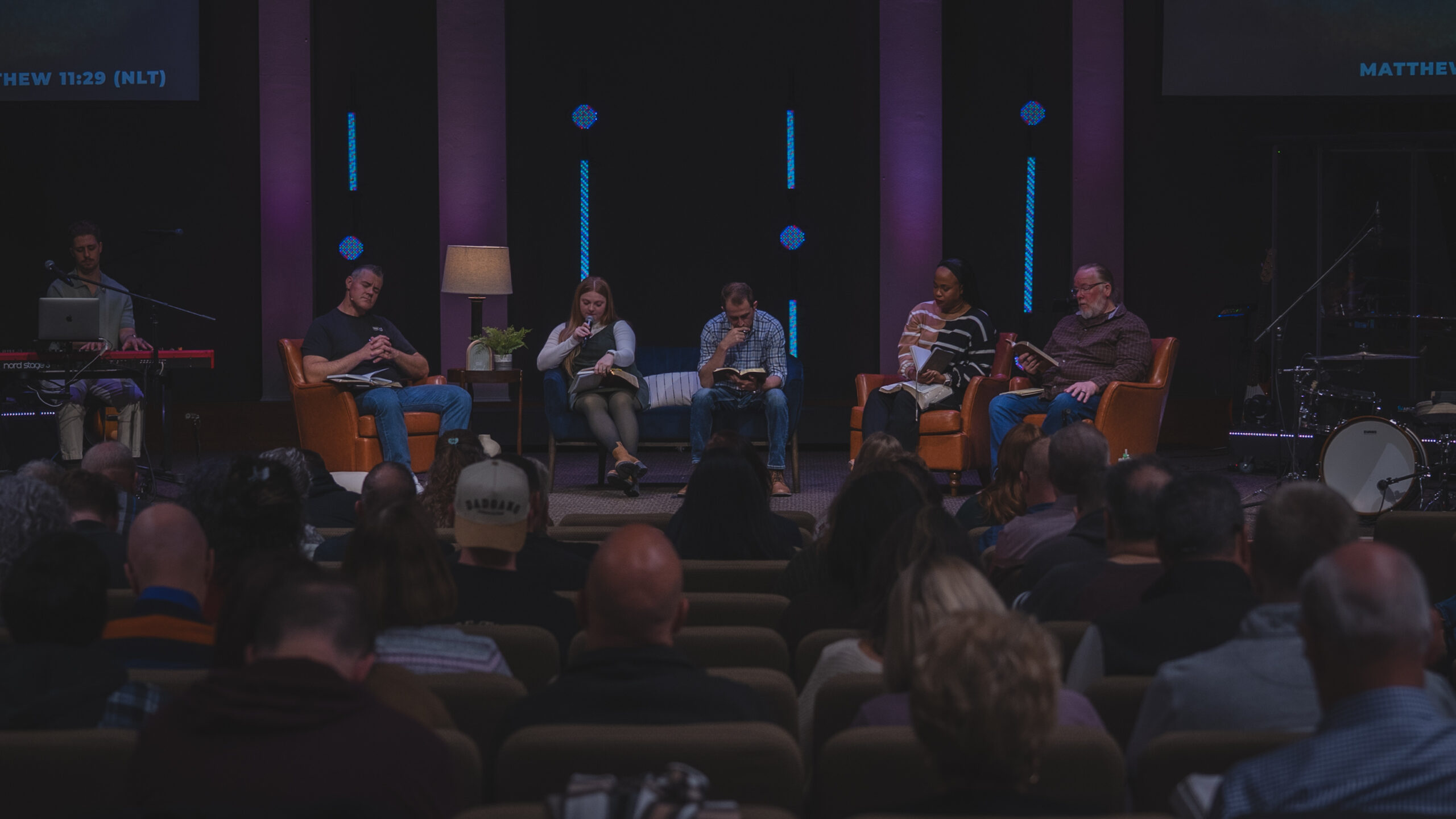
Context from the sermon: Thomas Paris shared how God is inviting the children of South Lorain into His family through consistent, faithful presence. He said, “It’s so unusual. Like, you would not expect this to happen… God has been preparing the community.” Tiffany talked about moving from being a “spectator” to an “active participant” and trusting God even when uncomfortable.
Discussion Question: What does “intentional presence” look like in your everyday life? Where might God be calling you to show up consistently for someone?
Follow-up: Tiffany shared about being uncomfortable because she had no control or plan. When has God called you into something uncomfortable? What did you learn?
Context from the sermon: The GrowCard question was simply: “Where is God sending you?” Pastor Josh made it clear that the Great Commission isn’t optional and isn’t only for “certain people”—it’s for everyone who follows Jesus.
Discussion Question: Take a moment of silence and ask the Holy Spirit: “Where are You sending me?” Share what comes to mind.
Follow-up: What’s one practical step you can take this week to respond to where God is sending you?
Reflection: This message wasn’t just about supporting a church plant in South Lorain—it was about each of us taking seriously the call to go and make disciples wherever God has placed us.
Action Steps to Consider:
Closing Prayer: Pray for each person in the group regarding where God is sending them. Pray for South Lorain, Stephen DeHanis, and for God to raise up more workers for the harvest. Pray for courage to move from spectators to active participants in the Great Commission.
A weekly practice you can do beyond Sunday morning.
A weekly practice you can do beyond Sunday morning.